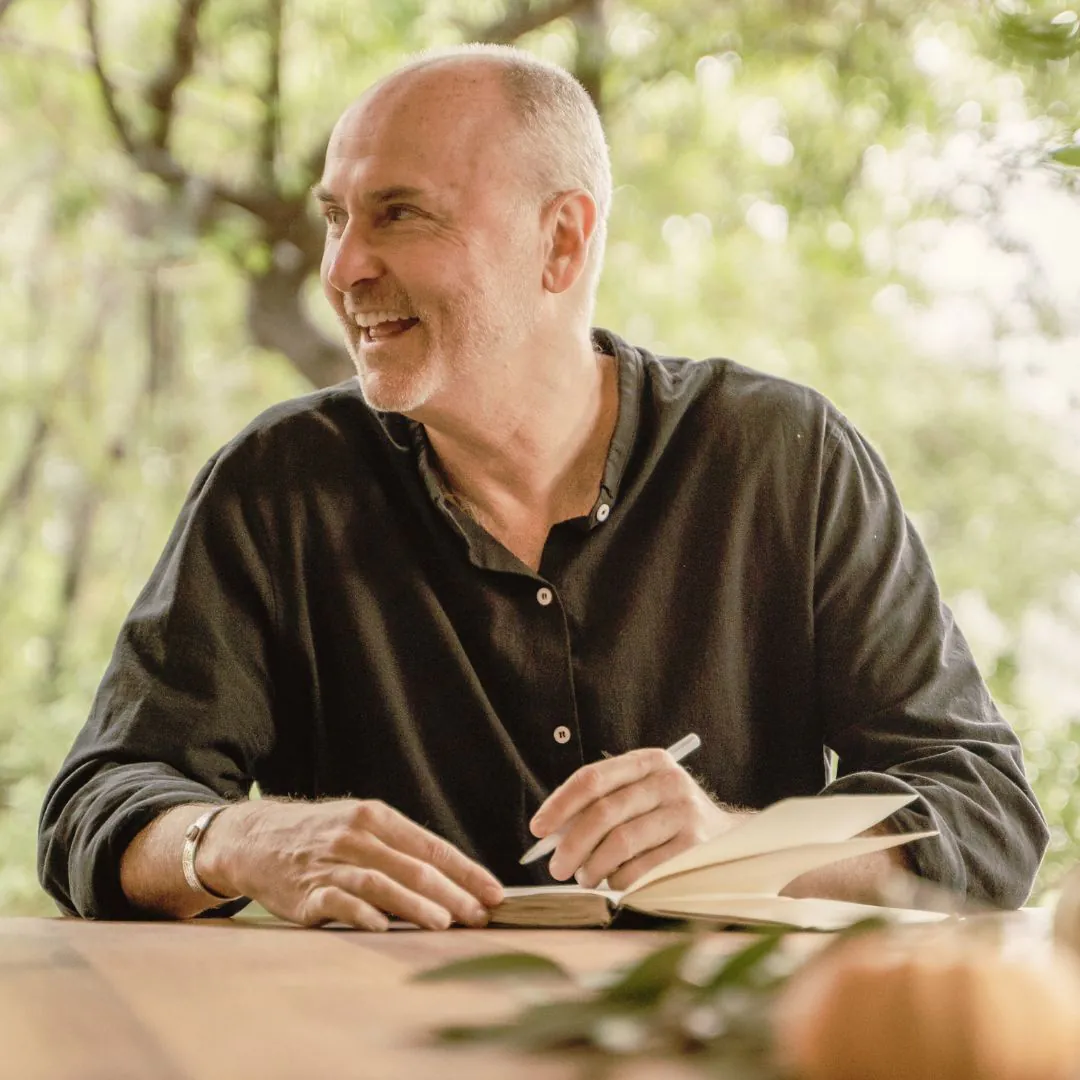
Chip Conley
What’s Your Most Prized Possession?
A British online magazine asked women and men about their 20 most prized possessions. What do you notice when comparing the two lists below? Beyond the fact that men tend to fixate on expensive, tangible things (and their music in nostalgic forms: records and CDs) and women’s nostalgia is more focused on the family (photos, childhood pictures, children’s artwork, baby clothes, and parent’s wedding rings), there’s something seriously missing here.
The Evolution of When We are Old.
Ken Dychtwald has been my “modern elder” for a couple of decades since I got to know him as a fellow Esalen Institute donor and all-around cool dude. How many hipsters in their twenties in the 1970s decided to explore aging and longevity as a career? Not many, but Ken has always been ahead of the curve, creating Age Wave long ago. For a half-century, he’s been offering the world all kinds of interesting data to back up the socio-demographic changes we’re seeing around aging.
At What Age Will You Retire?
The average retirement age in the U.S. is starting to resemble a U-curve. In 1900, it was 76 years old (I know! Surprising, right?). It didn't settle into age 65 until 1970, and then there was a precipitous drop such that, by 1990, it had dropped to 57. The retirement age grew after that point, rising to 60 in 2000 and nearly 62 in 2020. This upward trend continues, as the average age at which employed Americans say they'll retire is now 66.
It’s a Mixed Bag Being a Human These Days.
“The planet does not need more successful people, but it does desperately need more peacemakers, healers, restorers, storytellers, and lovers of every kind.” - David Orr
The Modern Golden Girls.
Ever since I wrote this post last month, “Older Single Women of the World, Unite,” (meawisdom.com/wisdom-well/post/older-single-women-of-the-world-unite) I’ve been in a series of separate email conversations with more than a dozen single female MEA alums who are curious about their definition of family as they age.
How’s Your “Longevity Literacy"?
Why do we vastly underestimate how much life we still have ahead of us? Part of it is due to our misreading of the longevity data. If we hear that American men have an average lifespan of 76 years old, we think that means we’ll die in less than a dozen years if we’re 65 today. And, yet, a man who’s reached 65 had added nearly 8 years to his life expectancy compared to when he was a newborn (so chances are he’ll live to 84) just because he’s averted many of the life risks of youth and early adulthood.
Midlife is When Our Vision Improves.
One of our MEA alums and my neighbor in Galisteo, NM, Andrew, introduced me to the word “barmecidal,” which means giving only the illusion of plenty, but something or someone that is ultimately disappointing. The etymology comes from a story in “The Arabian Nights” when the prince Barmecide pretends to host a lavish feast for a beggar. The beggar plays along, pretending to enjoy the food and wine, but ultimately is disillusioned.
The Most Effective Practice to Grow Your Wisdom.
I’ve written quite a bit about the value of creating a practice of spending 20-30 minutes each weekend sorting through your most significant lessons of the past week—personally and professionally—including how these lessons might enlighten you moving forward. I’ve been writing in my physical and, now, digital “Wisdom Books” for 34 years, and I’ve yet to find a more reliable method of metabolizing one’s experiences into wisdom.
“What Do You Want To Be When You Grow Up?"
Here are the top 10 careers that 10-year-olds want to be when they grow up (ranked in order): doctor, teacher, athlete, firefighter, police officer, astronaut, veterinarian, actor/actress, scientist, and chef.
Stumbling Upon a New Word Is Like Meeting a New Friend.
My love of language seemingly knows no bounds. Turning a phrase or punning a witticism never fails to uplift me. I think I was a Mad Man in a past life—a true word nerd at heart.
You are signed up for Chip's daily Wisdom Well email